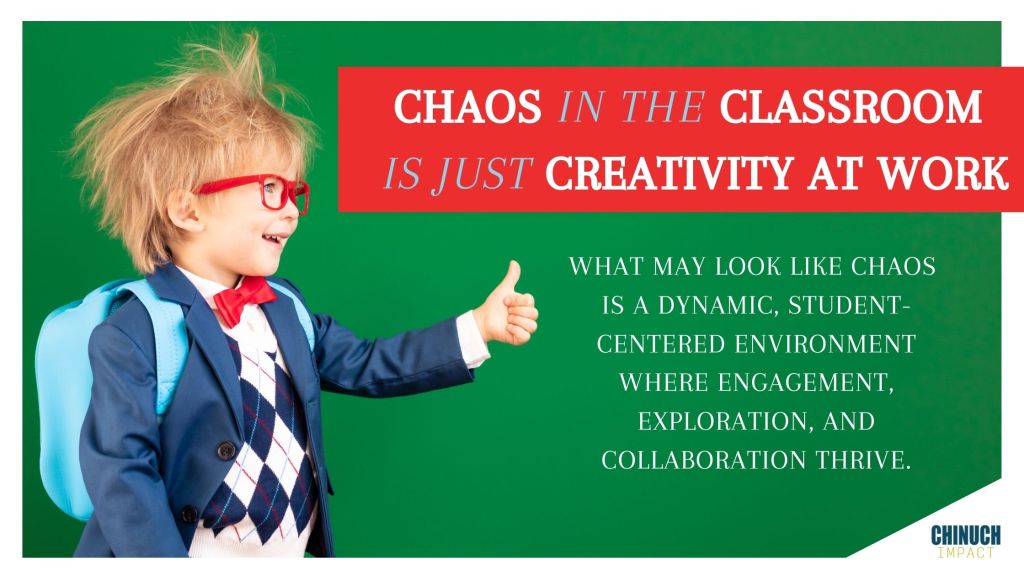
Walking into the Chumash classroom, it felt utterly chaotic. The noise level was high, desks were rearranged in haphazard configurations, and I couldn’t immediately locate the teacher. Students were scattered around the room, some on the floor, others standing. Every student was engaged in their activity, some smiling in pairs, others animated in discussion, and others quietly reading. As I stood quietly at the door observing the scene, I realized this was an effective learning model. I wanted every classroom to look, feel, and sound like this.
The room was filled with a buzz of excitement; the walls were adorned with colorful student artwork, and the atmosphere was lively and vibrant. The chaos was, in fact, organized and purposeful. Students were allowed to explore and engage with the material in various ways. The teacher crept among the students, providing support without overtaking their independence. Activities ranged from drawing and creating flashcards to acting out Chumash words, catering to different learning styles. Laughter and focused conversations filled the air as students collaborated and experimented with their chosen tasks. This vibrant, student-centered approach was evident in every aspect of the classroom.
1. The Power of Connection
In this classroom, I saw students smiling and working in pairs, showing genuine engagement and connection with each other. Though not immediately visible, the teacher was subtly moving among the students, offering quiet words of encouragement and support. One particular moment stood out when the teacher gave an extra pat on the back to a student who seemed to need it. This small gesture demonstrated the teacher’s awareness of and connection to her students’ emotional needs. These connections build trust and make students feel valued, significantly boosting their confidence and engagement.
2. Incorporating Social-Emotional Learning
This Chumash classroom was a perfect example of integrating social-emotional learning (SEL) into the curriculum. Through their interactions, students practiced empathy, collaboration, and self-regulation. Those animated in discussion developed communication skills, while those working quietly built focus and resilience. The choice-based activities allowed students to engage with the material in ways that suited their emotional and learning needs, fostering a sense of autonomy and self-awareness.
3. Fostering a Growth Mindset
In this vibrant environment, the teacher encouraged a growth mindset by allowing students to explore and engage in ways that resonated with them. Some students drew their Chumash words, others created online flashcards, and a few acted the words out. When students struggled with pronouncing a word, their peers encouraged them to keep trying and offered tips. During a particularly animated session, students took turns acting out the differences between “vayomer” (and he said) and “vayikra” (and he called). One student stumbled over the pronunciation, but with encouragement and tips from classmates, they finally got it right. Another student complimented them, saying, “That was funny, I’ll never forget that!” These moments highlighted the growth mindset in action, where students viewed challenges as opportunities to learn and improve. This environment fostered a sense of collective effort and persistence, reinforcing the belief that abilities can be developed through hard work and support from others.
4. The Importance of Joy in Learning
The joy in the room was palpable. The students’ enthusiasm and the teacher’s creative methods transformed the learning experience into an adventure. By making learning enjoyable and interactive, students were naturally drawn in and eager to participate. Compliments and laughter echoed as students celebrated each other’s creativity and efforts. This joyful atmosphere enhanced engagement and helped students associate positive emotions with education, fostering a lifelong love of learning. A cheerful, positive learning experience was integral to achieving these educational goals.
As we head into the summer break, remember that while the concepts we teach are essential, the foundational skills for life and how we make our students feel are paramount. These emotional and relational aspects of education leave a lasting impact, shaping our students into compassionate, resilient, and joyful individuals ready to face the world. Embracing this holistic approach to education ensures that our students are academically proficient, emotionally intelligent, and equipped for life’s challenges.
10 Simple Activities to Review Material
To further enhance the engaging and effective learning environment described, teachers can incorporate ten simple yet powerful activities into their classrooms. These activities are designed to review material while fostering connection, social-emotional learning, a growth mindset, and joy in learning.
1. Peer Teaching:
Pair students up and have them teach each other a concept they’ve mastered. This reinforces their understanding and builds communication skills.
2. Acting It Out:
Encourage students to act out scenes or concepts from the material. This can help them internalize the content and make learning fun.
3. Draw It:
Ask students to draw representations of the material. Visual learners will benefit, and it encourages creative expression.
4. Flashcard Creation:
Have students create their flashcards with key terms and concepts. They can then quiz each other, promoting collaboration and active recall.
5. Debate and Role-Playing:
Set up scenarios where students take on different roles or perspectives to debate a topic or solve a problem using their knowledge. This encourages critical thinking and deepens understanding.
6. Group Discussions
Organize small group discussions where students can discuss what they’ve learned and ask each other questions. This fosters empathy, collaboration, and deeper understanding.
7. Mind Maps
Ask students to create mind maps that connect various concepts they’ve learned. This helps them see the big picture and understand the relationships between ideas.
8. Storytelling
Have students create and share stories that incorporate the material. This can make abstract concepts more concrete and memorable.
9. Quiz Games
Organize quiz games where students answer questions about the material. This can be done in teams to promote friendly competition and teamwork.
10. Reflection Journals
Encourage students to keep reflection journals where they write about what they’ve learned, how they felt during the lessons, and any questions they still have. This promotes self-awareness and emotional intelligence.
By incorporating these activities into their teaching, educators can create a dynamic and engaging classroom environment that reviews material effectively and nurtures essential life skills. These practices ensure that students are academically proficient, emotionally intelligent, resilient, and ready to face future challenges with confidence and joy.


Leave a Reply